
 FREE Shipping Worldwide



MimiSilk Iris 1450nm Fortschrittliches Hauterneuerungsgerät
MimiSilk Iris 1450nm Fortschrittliches Hauterneuerungsgerät
Nano-Matrix® patentierte fraktionierte Lasertechnologie
 ⓘ
ⓘ
- Dänische Schönheitswissenschaft und Dynamic Scan™-Magnetlevitations-Phased-Scanning-Technologie
- Minimale Spotgröße von 100 μm dank nicht-ablativer fraktionierter Technologie (echter Fraktionallaser)
- Stimuliert die natürliche Kollagenproduktion für jünger aussehende Haut in 60 Tagen
- Nahezu schmerz- und rötungsfrei & keine Ausfallzeit
- 5 intelligente Zonen & Kindersicherung
- FDA- und CE-zertifiziert, Laser der Klasse 1 (die sicherste Laserklasse), für alle Hauttypen geeignet
- Gewinner des Upstyle Award 2018 und des Good Design Award 2020
Verfügbarkeit für Abholungen konnte nicht geladen werden


2 Jahre Garantie
90 Tage Geld-zurück-Garantie
Schneller & kostenloser Versand
2 Jahre Garantie
90 Tage Geld-zurück-Garantie
Schneller & kostenloser Versand
2 Jahre Garantie
90 Tage Geld-zurück-Garantie
Schneller & kostenloser Versand
2 Jahre Garantie
90 Tage Geld-zurück-Garantie
Schneller & kostenloser Versand
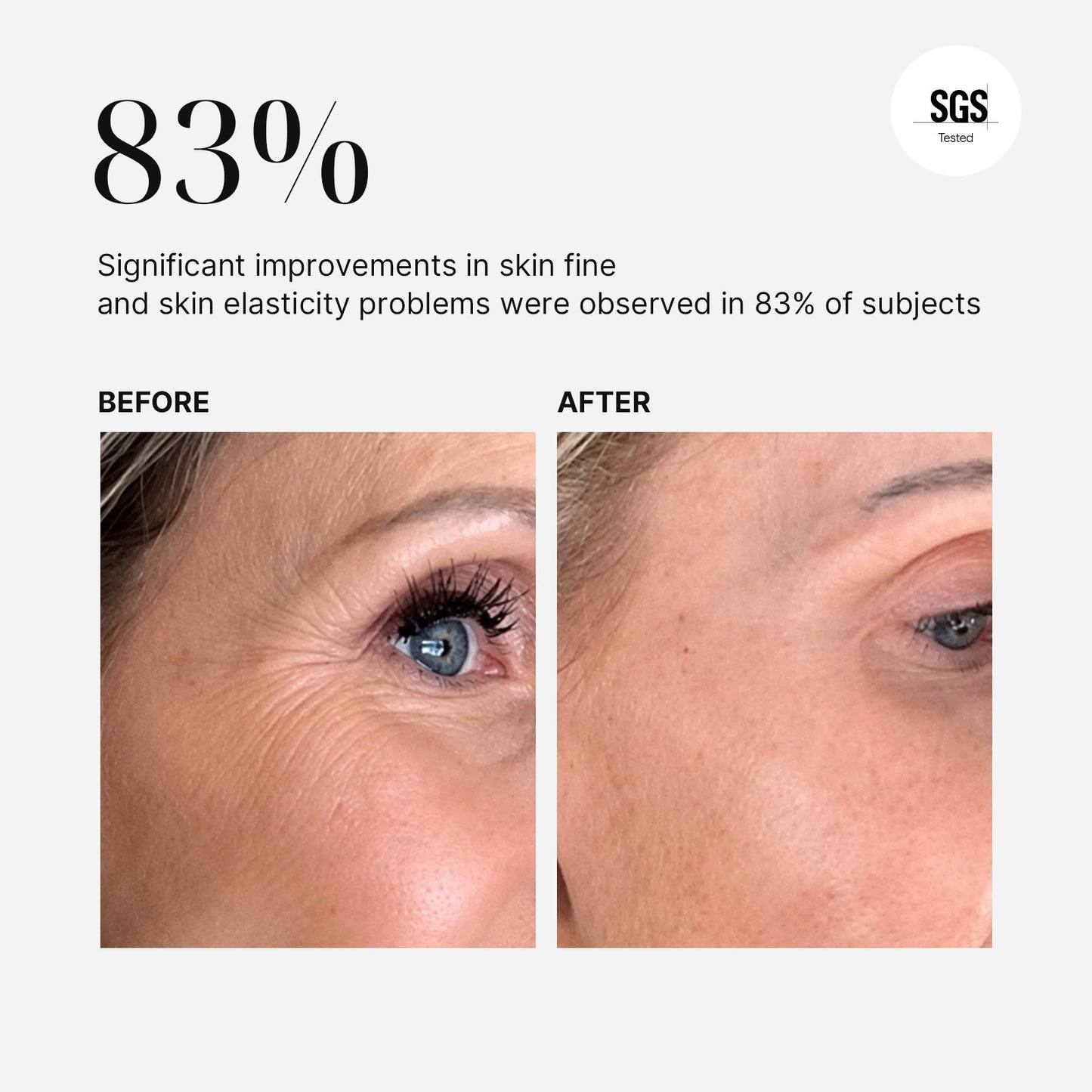
Falten und feine Linien reduzieren
Bei 83 % der Probanden wurden signifikante Verbesserungen des Hautbildes und der Hautelastizität beobachtet.
mit einer durchschnittlichen Reduzierung von 43 % und einer maximalen Reduzierung von 62 %

Strahlenderer Teint
Bei allen Probanden mit Hautunreinheiten und Poren zeigte sich nach der Anwendung eine deutliche Reduzierung, eine durchschnittliche Verbesserung von 71 % und eine maximale Verbesserung von 89 %.

Regt die natürliche Kollagenproduktion an
Bei 79 % der Probanden zeigte sich eine signifikante Reparatur des Gesichtshautkollagens mit durchschnittlichem Kollagenwachstum.

Kleinere, empfindlichere Poren
Bei 89,7 % der Probanden mit großen Poren, ungleichmäßiger Hautfarbe und dunkler Hautfarbe betrug die durchschnittliche Verbesserung der hellen Flecken 71 %, die größte Verbesserung lag bei 87 %.

Warum MimiSilk Iris 1450nm-Gerät

The Gold Standard for Deep Skin Renewal
Designed for those seeking solutions for:
- Fine lines & wrinkles
- Uneven skin tone & dullness
- Enlarged pores & excess oil
- Acne marks & shallow acne scars
- Loss of firmness and skin texture concerns
Our advanced 1450nm non-ablative fractional laser uses water as its target pigment, directly targeting the dermis to trigger maximum collagen production without damaging the surface.

MimiSilk Iris helps stimulate skin regeneration, improving overall complexion clarity and texture.
With consistent use:
- Skin appears brighter after the first treatment
- Uneven tone becomes visibly improved within 4 weeks
- Skin looks smoother, healthier, and more radiant over time
Ideal for anyone looking to achieve a fresh, glowing complexion—even before visible signs of aging appear.

Enlarged pores, excess oil, and uneven texture are often linked to overactive sebaceous glands and impaired skin remodeling.
MimiSilk Iris helps:
- Regulate excess oil production
- Minimize the appearance of enlarged pores
- Improve shallow acne scars and marks (depth ≤200μm)
Perfect for oily, combination, and acne-prone skin types seeking long-term skin texture improvement.

MimiSilk Iris creates precise micro-treatment zones beneath the skin to activate natural collagen and elastin renewal.
Helps improve:
- Fine lines around eyes and mouth
- Early signs of aging
- Loss of skin firmness
Experience smoother, firmer, more youthful-looking skin with consistent at-home treatments.

MimiSilk Iris brings professional-inspired laser skincare technology into your daily routine.
- FDA-cleared technology
- Safe for all skin tones
- No peeling or recovery period
Professional laser-inspired skincare, designed for real life.
Achieve Salon Results At Home
-
 BeforeAfterMy #1 Pick From 100+ Devices
"If your concerns are texture or enlarged pores, dullness, post acne marks, shallow scarring, fine lines, or just a general loss of firmness and bounce, then this is exactly where I think the Iris becomes really interesting. It also makes complete sense if you want to improve the face as a whole rather than just spending your time chasing an isolated wrinkle here or wrinkle there. The best results continue building over time, I personally started noticing changes with this one pretty quickly. "
-
 BeforeAfter2 Weeks - Something is Happening
"I feel a slight tingling sensation during use and mild redness afterwards, which I understand means it’s working. I really like using it because I can actually feel them something is happening in the skin, like a process is going on. I soothe my skin after each session with a hydrating mask with simple ingredients, as recommended. I’m using it on Level 2 now and I can clearly see that the skin has become smoother and brighter."
-
 BeforeAfterMy Skin Tone Looks Brighter
"After just one week of use, I started noticing visible changes — my skin tone looks brighter, and my dark circles have become much less noticeable. I’m amazed by how effective this device is in such a short time. It’s definitely a skincare tool worth committing to and using consistently to see even better results over time."
-
 BeforeAfterCrows Feet after 5 Weeks
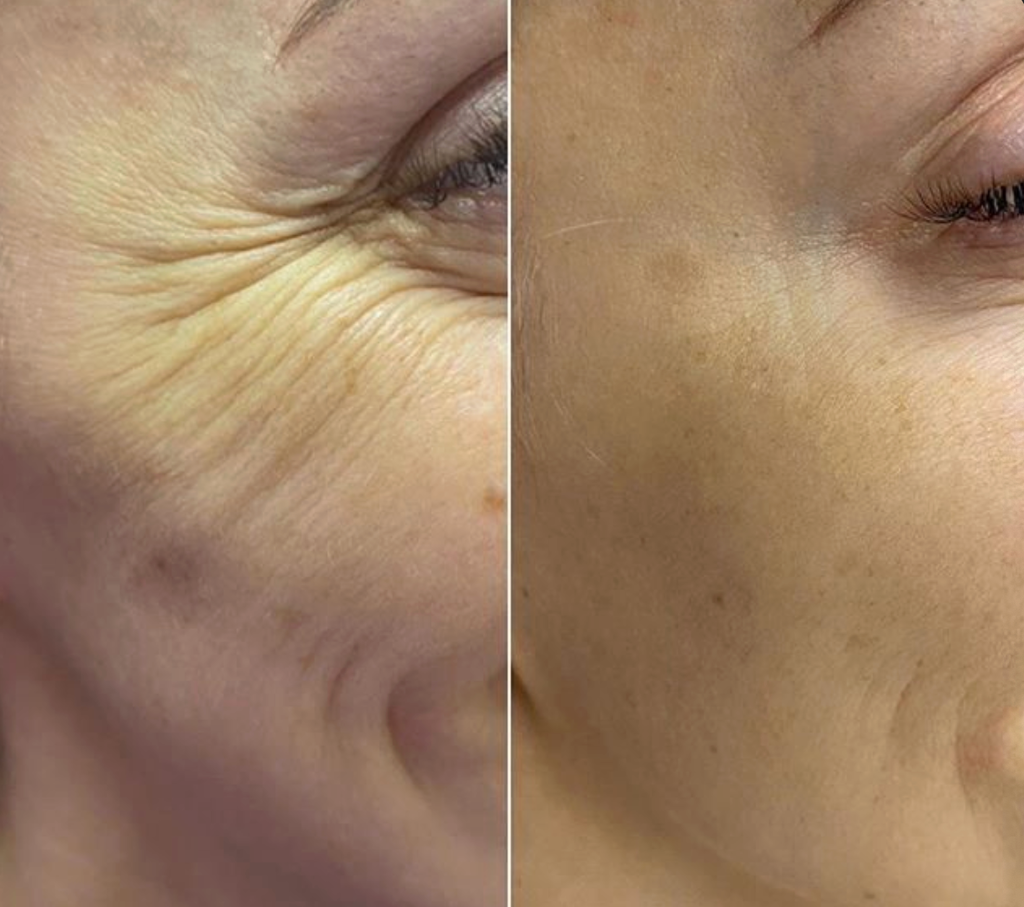
"Although I’m in my fifties, my skin remains in great condition overall. After just 5 weeks, I’ve already noticed a visible reduction in crow’s feet, and I’m excited to see the long-term improvement in my nasolabial folds."
-
 BeforeAfterAmazing At-home Hand Care Routine
"Apart from using it on the face, I also tried applying iris on my hands. After just 4 weeks, using it 3 times a week, I was pleasantly surprised to notice that the texture on my hands became finer and my skin tone became brighter. This is truly an amazing at-home hand care routine!"
-
 BeforeAfter4 Weeks - Smoother & More Delicate Skin
"Although it was just a minor difference, I did notice that the skin became smoother and brighter after using it. I'm glad I persisted in using it even in sensitive areas, such as the corners of my eyes and the upper lip."
-
 BeforeAfter3 Weeks Fine Lines Around Eyes
"After 3 weeks of consistent use, I haven’t seen a major change in my deeper nasolabial folds yet, but my fine lines have improved noticeably, and my eye area looks smoother and more refreshed. I’ll keep using it and can’t wait to see the long-term results."
-
 BeforeAfterBrighter and Smoother Skin
"Finally, an effective at-home laser treatment for dark spots that actually delivers! I've only used this for a few weeks now and already see a brighter, more even complexion. While there's a slight sensation, if you can get past the discomfort, the results are well worth it!!!"
-
 BeforeAfterUnbelievable Results After 8+4 Weeks!
"I’ve completed a full 8+4 treatment course, and the first thing I noticed was my skin tone looking brighter and more even. What really surprised me is that my crow’s feet have visibly reduced and smoothed out—it honestly feels almost unbelievable!"
-
 BeforeAfterAround Mouth and Nasolabial Folds
"I started seeing a noticeable difference after just four weeks. The lines around my mouth and nasolabial folds looked softer, and my skin felt incredibly smooth and refreshed. I’m so happy with the results and will definitely keep using it!"
-
 BeforeAfterThe Most Effective Pore-refining Device
"My nose tip and the pores on both sides of my nose have visibly tightened after 4 weeks, and the improvement around my glabellar (“11 lines”) area is also quite noticeable. Overall, this is the most effective pore-refining device I have ever used."
-
 BeforeAfterFine Lines Around My Eyes Over 60
"I originally thought that collagen regeneration was no longer possible at the age of 60, but this device gave me a huge surprise: within just 4 weeks, I noticed a significant improvement in the fine lines around my eyes!"
-
 BeforeAfterReduce Neck Wrinkles
"Already have visible wrinkle reduction on the neck after only 4 weeks with the FOREHEAD mode. I use it once every other day."


1450 nm
599 $
Nicht-ablative fraktionierte
φ=100μm
2,11 J/cm²
JA
Periodisch
Klasse 1
JA

1450 nm
649 $
Nicht-ablativ, nicht-fraktioniert
φ=2 mm
2,05 J/cm²
NEIN
Täglich
Unbekannt
NEIN

1450 nm
449 $
Nicht-ablativ, nicht-fraktioniert
φ=1 mm
1,93 J/cm²
NEIN
Täglich
Unbekannt
NEIN
- Technical Advantage: We employ a nanoscale fractional laser technology that is the same as that used in professional medical aesthetic devices. However, many products on the market still rely on the energy-distributed large spot technology, which represents a fundamental technological gap.
- Core Parameters: The core advantage of the fractional technology lies not in the area it covers per single application, but in the fact that it can divide the laser into millions of extremely tiny beams. Our individual micro-beam has a diameter of only 100 micrometers, ensuring that the energy is highly concentrated and precisely directed to the dermis layer, thereby efficiently stimulating collagen production while avoiding unnecessary damage to the epidermis.
- Comparison of Results: In contrast, the energy of the large spot technology (such as 2x2mm) is significantly attenuated during transmission, making it difficult to deliver sufficient energy to the dermis layer to generate an effective photothermal effect. The result is naturally greatly compromised.
For optimal results, follow our Step-by-Step Iris Guide.

Was ist in der Box?
1. Fortschrittliches Hauterneuerungsgerät
2. Schnellstartanleitung
3. Benutzerhandbuch
4. USB-Kabel
5. Handgepäck
6. Wischtuch
7. Garantiekarte
- My hand skin has improved dramatically and my face skin quality improved and pore sizes shrunk.
- I'm shocked. This has quickly lessened fine lines and plumped out smile lines.
- I'm already seeing my cheeks lifting, marionette lines softer and jowels look smaller.
Absolutely love the MimiSilk Iris! I’m now on my third treatment cycle, and my skin looks smoother, more refined and noticeably more radiant. It feels like having a professional treatment from the comfort of home. Such a great addition to my anti-aging routine!
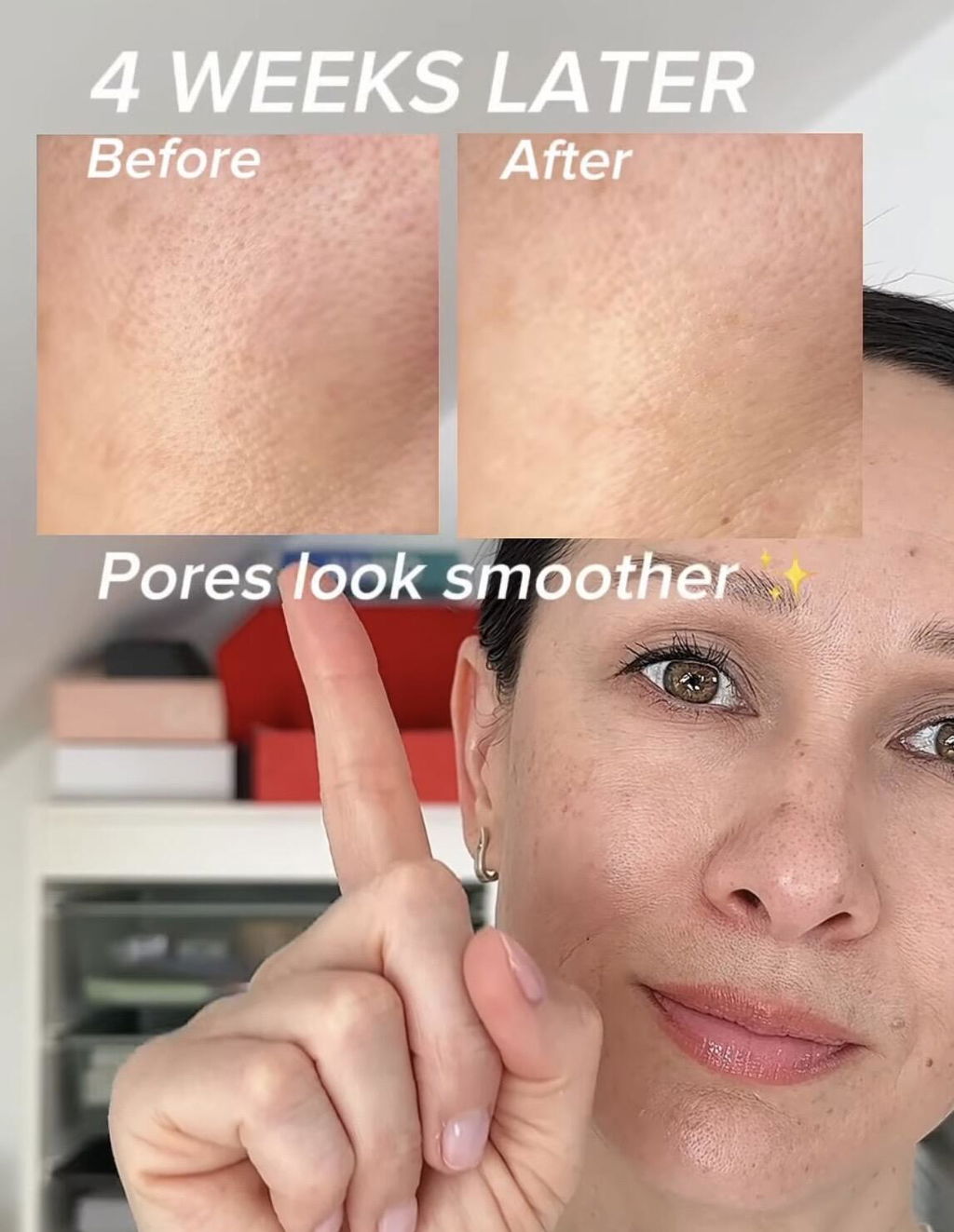
I started using it for one month but I’ve already feeling my skin texture has been whitened and firmer. Great usage even on my neck and hands too…look forward to amazing result after two months’ time.
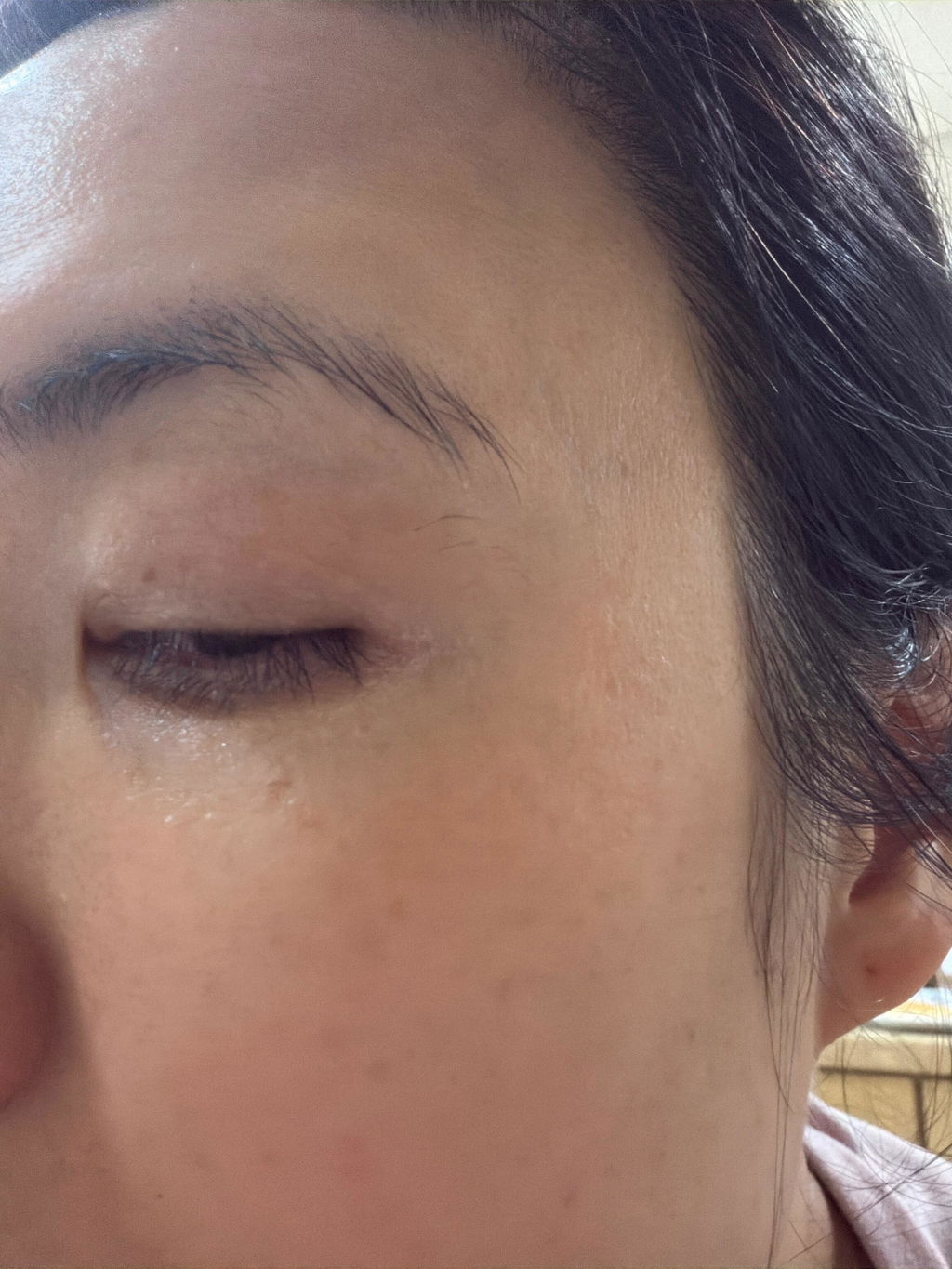
My overall skin quality just looks better. More even, less dull, and the texture feels smoother under makeup.
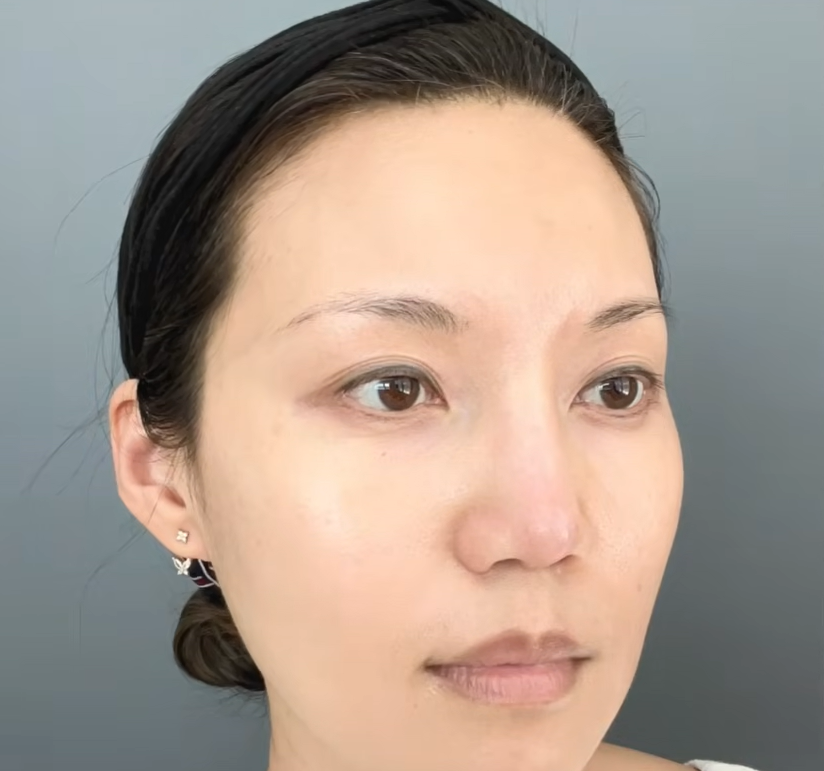
Completed my first 8-week cycle and my skin tone is more even, my nasolabial folds are softer, and my pores are less visible. Taking my rest month and then starting again.
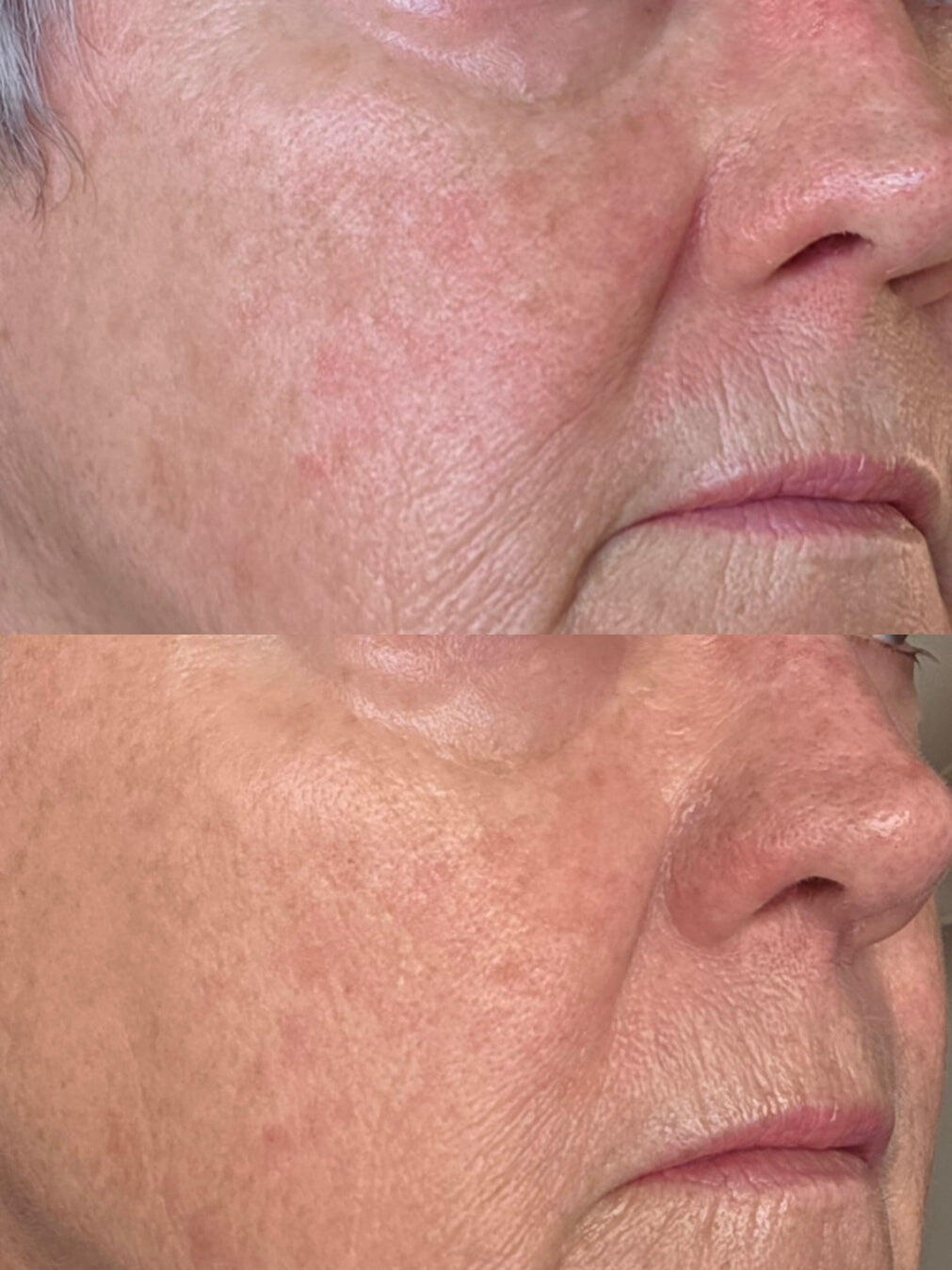
I'm nearly 69, so I wasn't expecting miracles but now, after 3 and a half weeks I believe I will get one. I was blessed with the chubbyest cheeks you've ever seen so when gravity hit them I ended up with deep marionette lines and jowels.(I don't have bags under my eyes, I have suitcases under my chin.) I'm already seeing my cheeks lifting the marionette lines are softer and the jowels don't look quite as big as they were. I'm so excited to see the results in 5 weeks time when I stop for the 4 week rest period. It's the best device I've ever had and because it's so quick and easy to do I'm never tempted to just miss a night or not be bothered at all because it cumbersome,takes too long or too difficult to use as some devices are.
Well done. Your Mimisilk Iris is worth it's weight in gold, thank goodness I didn't have to pay that much.
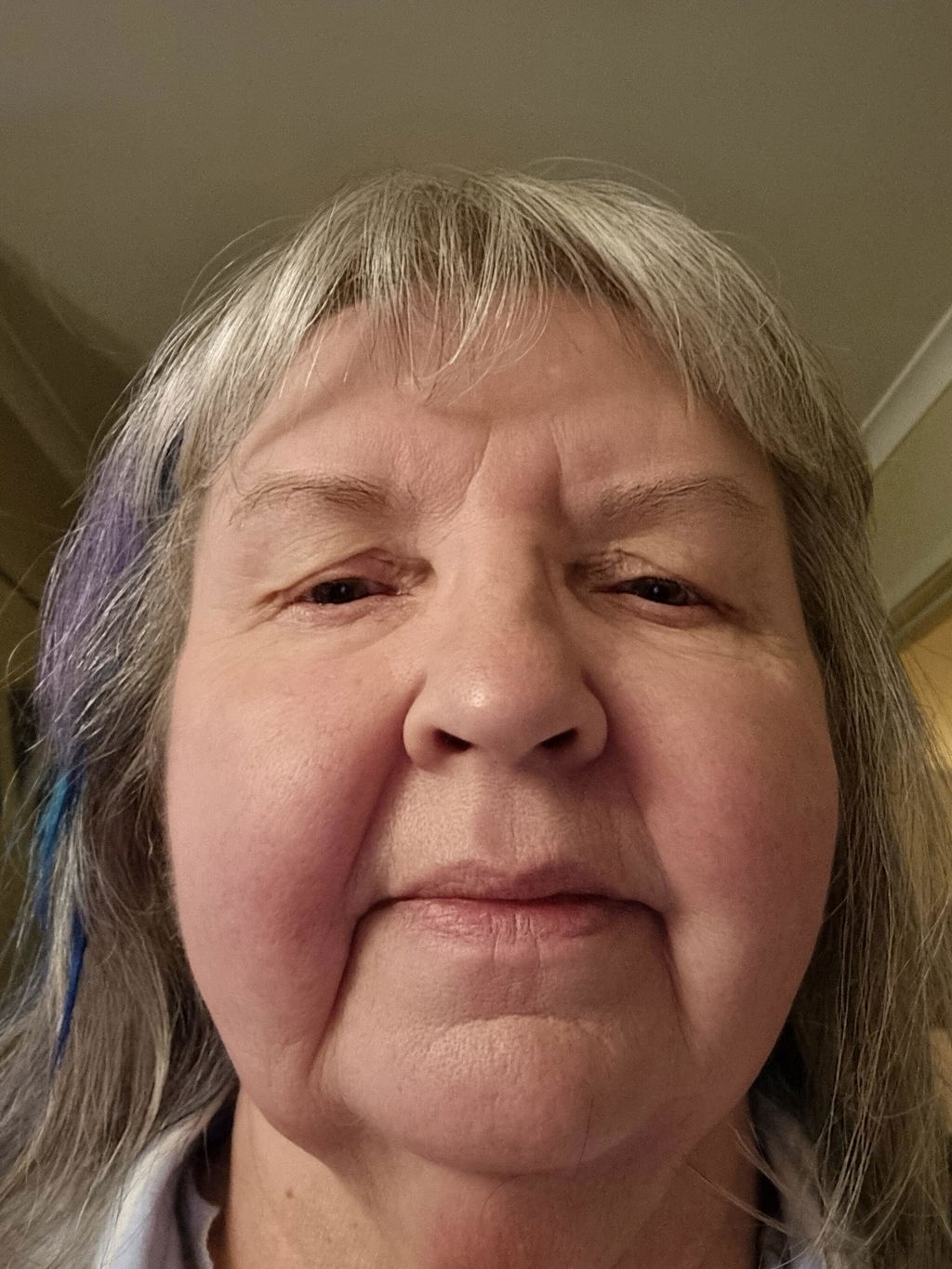
Thank you so much for your appreciation and love! We're really excited to see the amazing results once your first cycle is finished!
I'm about four weeks in with the recommended schedule and the pores on my forehead look noticeably smaller. I will continue to use it so I hope my pores will shrink more. Really happy with the progress so far!
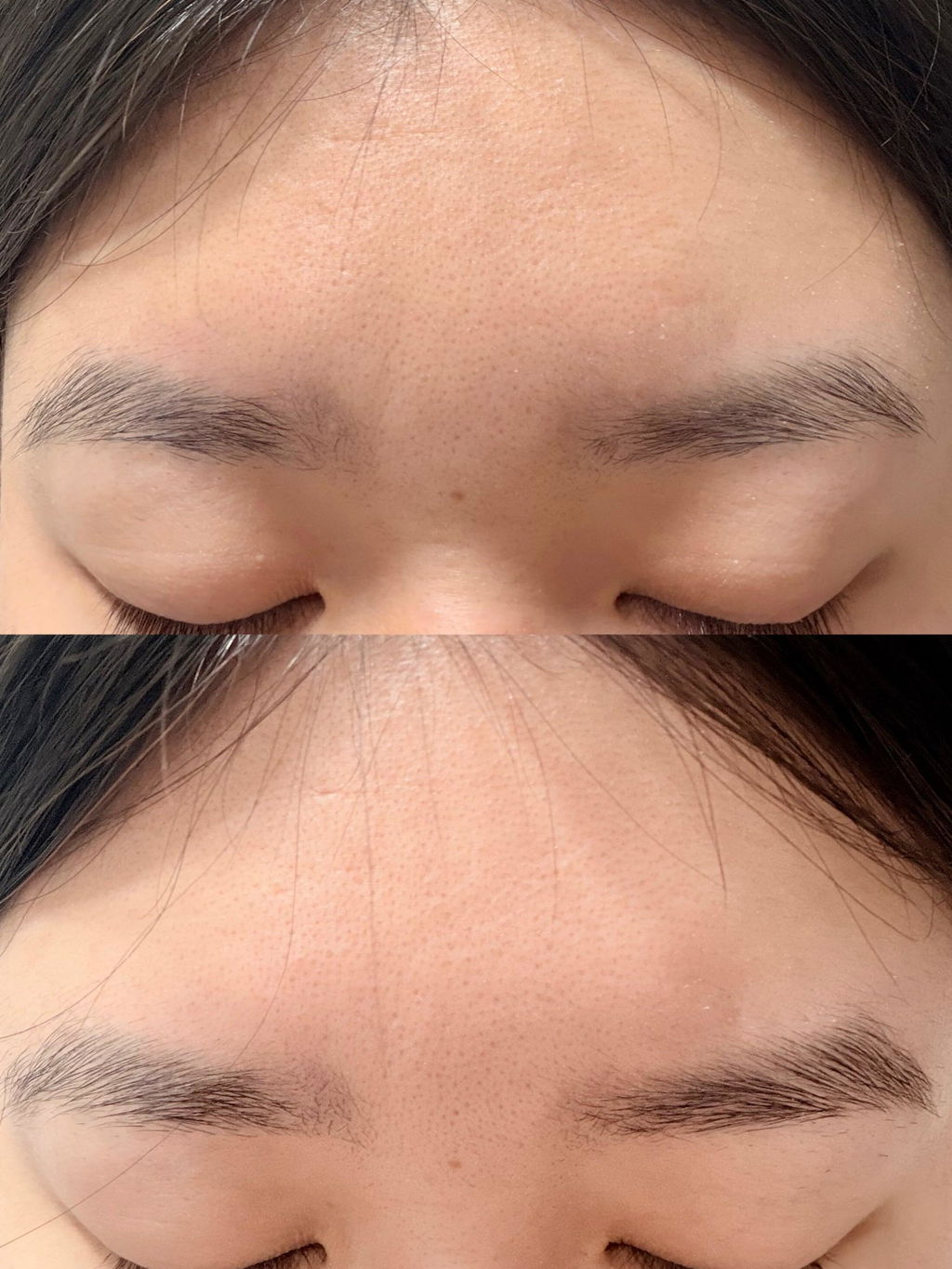
So far I am loving the results I have been getting with the MimiSilk device. I have only been using it for 4 weeks but so far my skin looks brighter and smoother. I use it about every other day . I plan to continue to use it and hopefully with see more improvements in my skin.
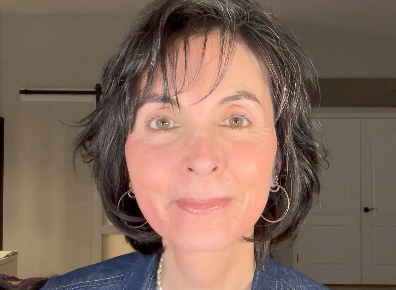
Chin wrinkles and sagging have improved remarkably.
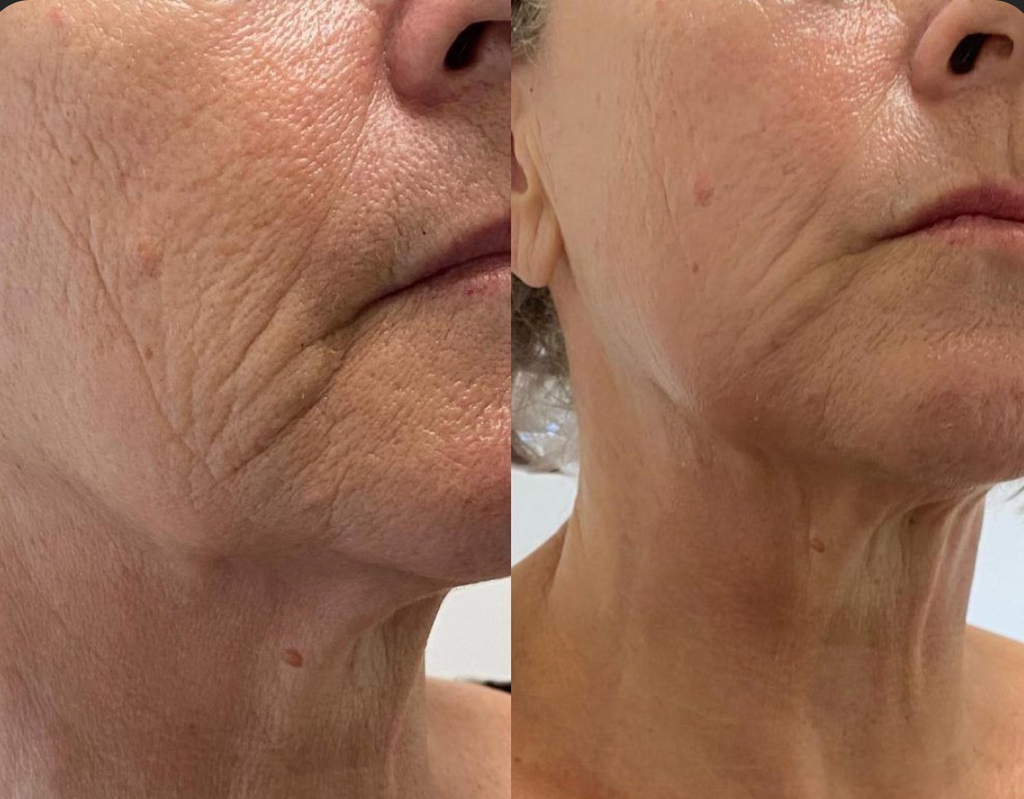
I have been using the MimiSilk device for a few weeks, and I am impressed by how effectively it helps with my breakouts, large pores, and lost elasticity and ageing, dull skin. It is very comfortable to use because the device is lightweight and of excellent quality. While using it, I didn't experience any pain; only some redness appeared, which lasted about 10 minutes. After the procedure, I apply a hydrating cream or a soothing face mask.
The following day, my combination, sensitive skin looked plumper, more radiant, and more elastic. This device feels like magic at my age of 42. There was no irritation or discomfort.
If you haven’t tried it yet, you’re missing out on the chance to enjoy a luxurious spa experience at home. I’ve saved so much money because I no longer need salon treatments; with the MimiSilk device, I can do it myself at home. My skin has improved greatly!
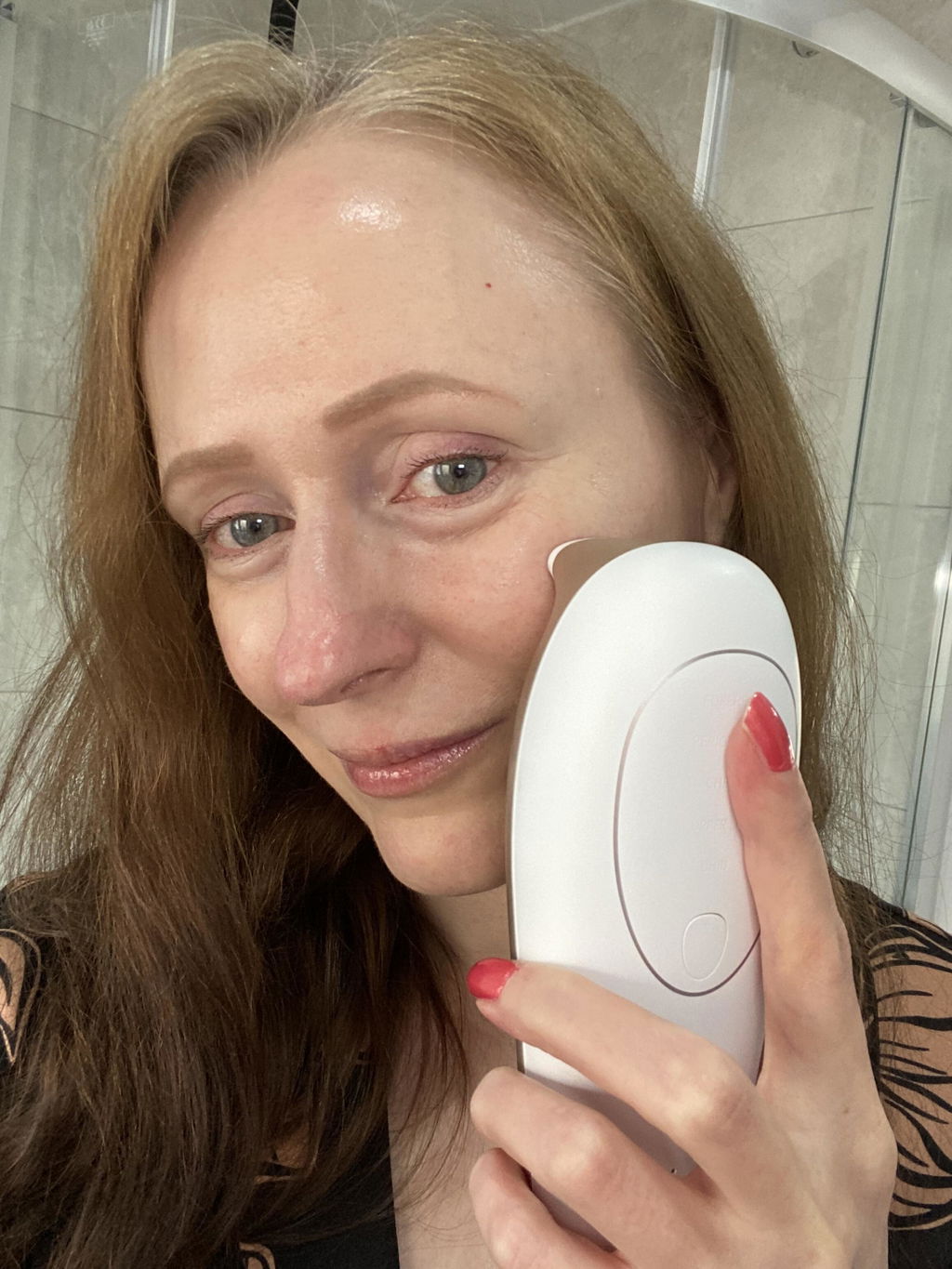
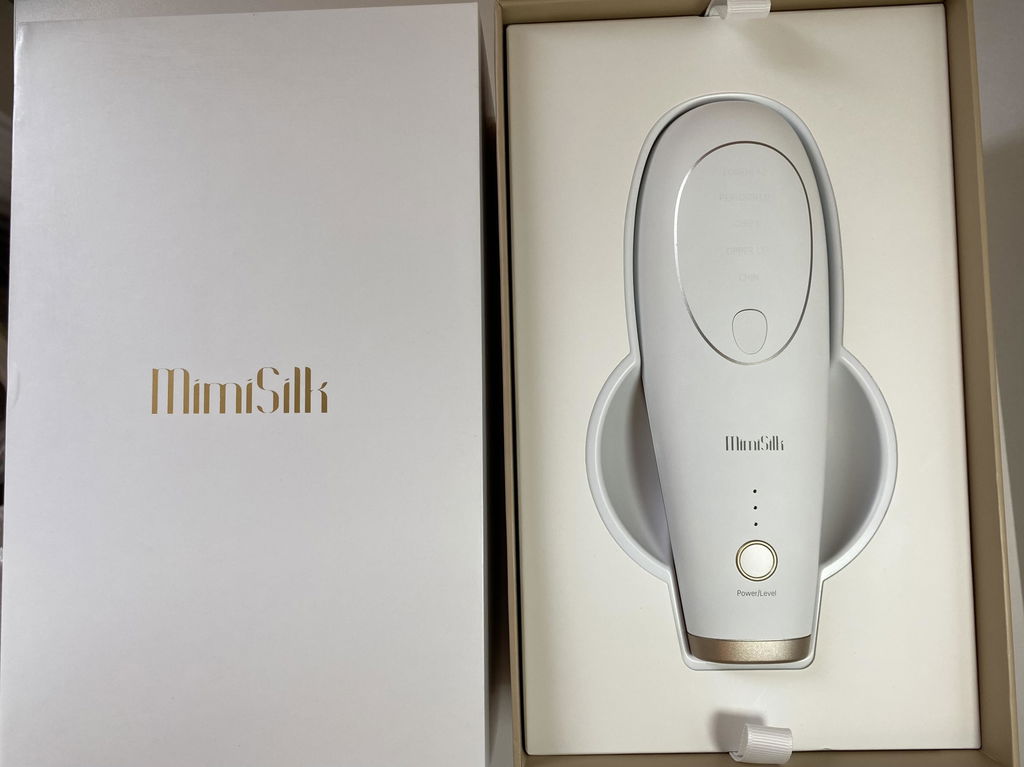
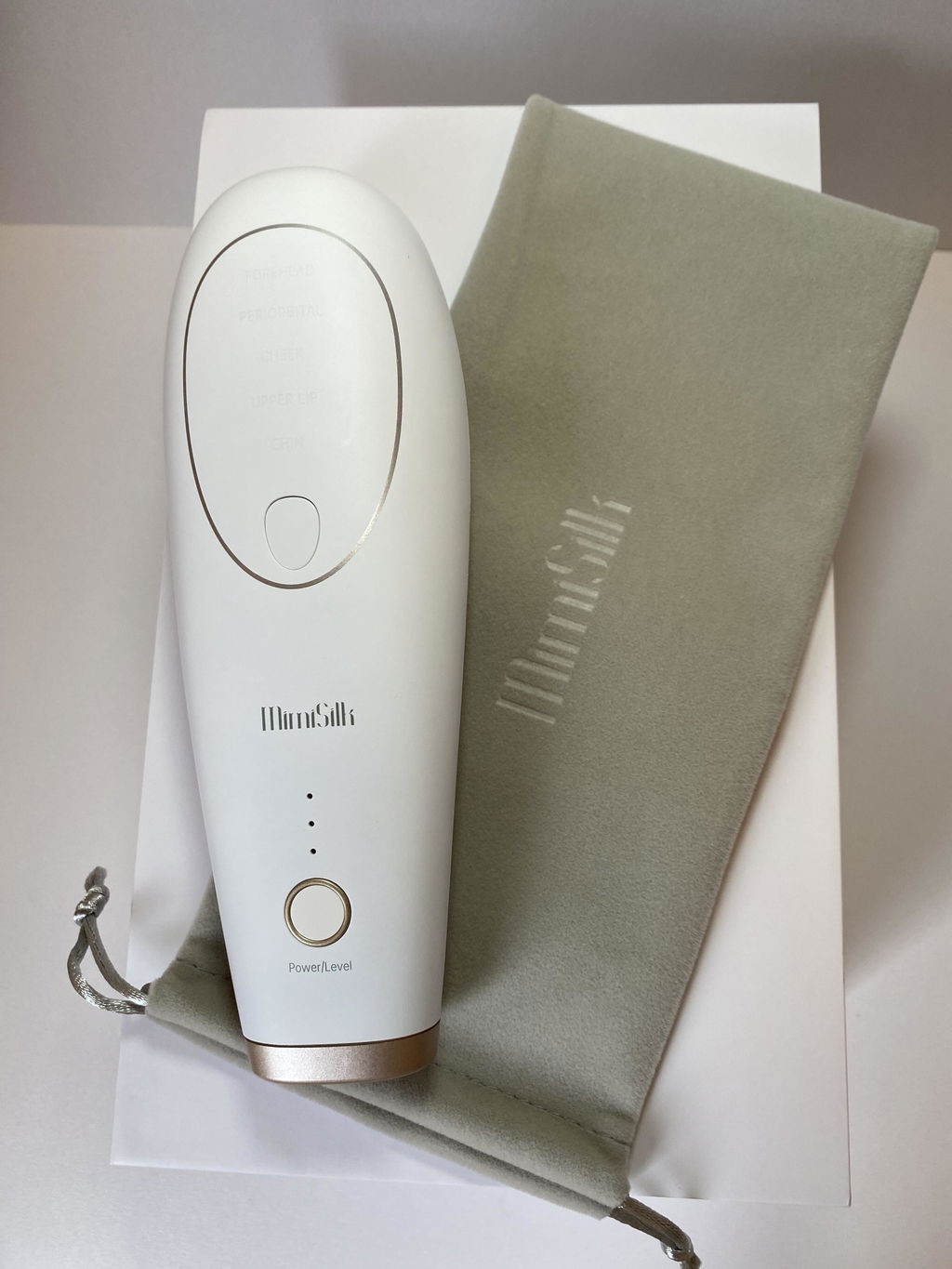
My deep forehead wrinkles have finally met their match. This device, focused on anti wrinkle and collagen regeneration, has made them shallower.
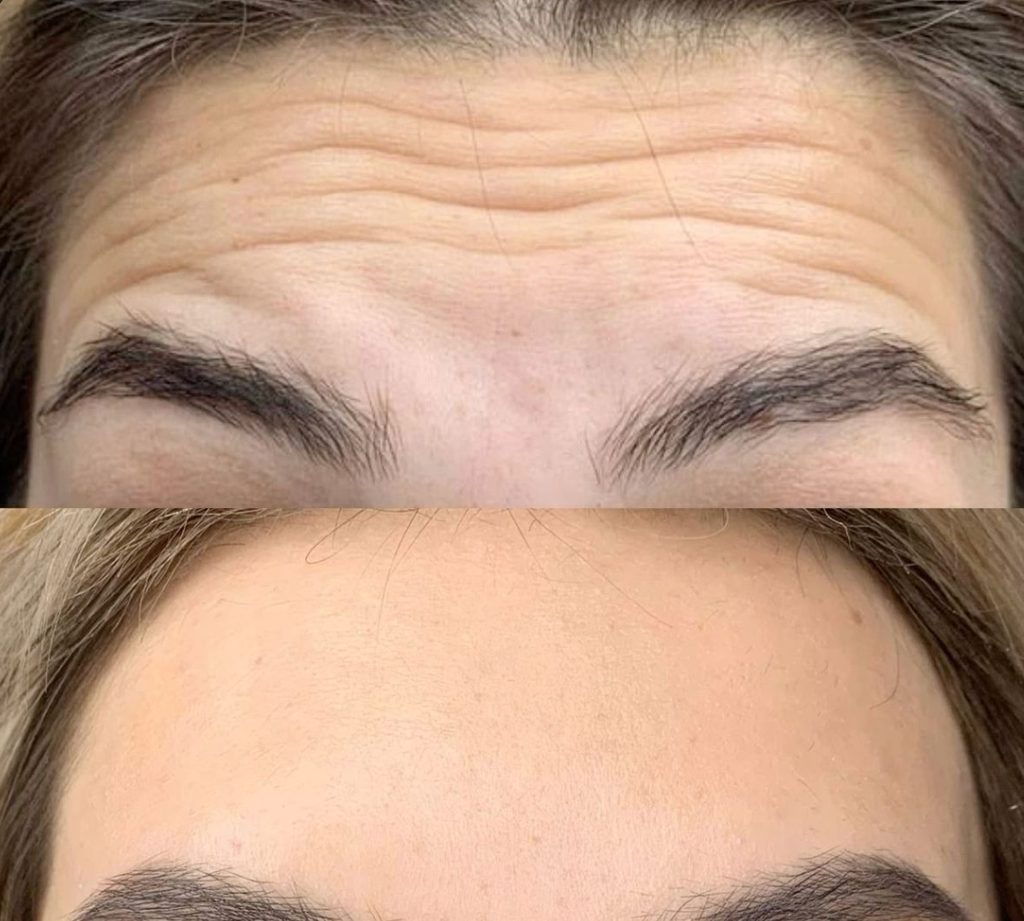
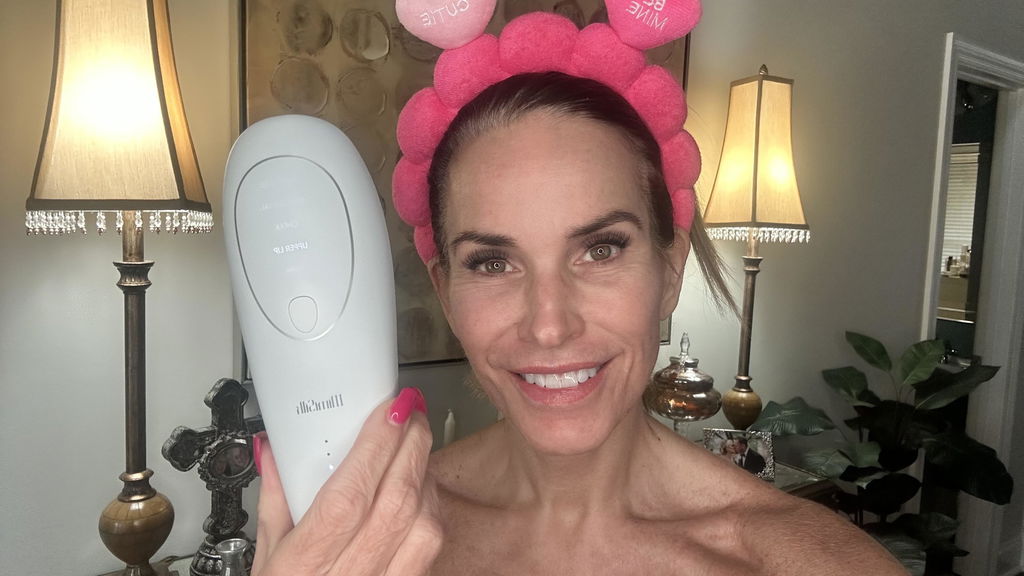
OK, I’ve been using the Iris for seven days now and my results are shocking. I think I’m going to do a vertical Short for you next week to show preliminary results and then do a longer tutorial video in my second month before I take my break for my four weeks. This is an amazing product and if you would like to discuss paid collaboration for future videos videos, please reach back out to me. Please reach back out to me.
After using for anti wrinkle purposes, I’m amazed at the firming effect, likely from boosted skin collagen.
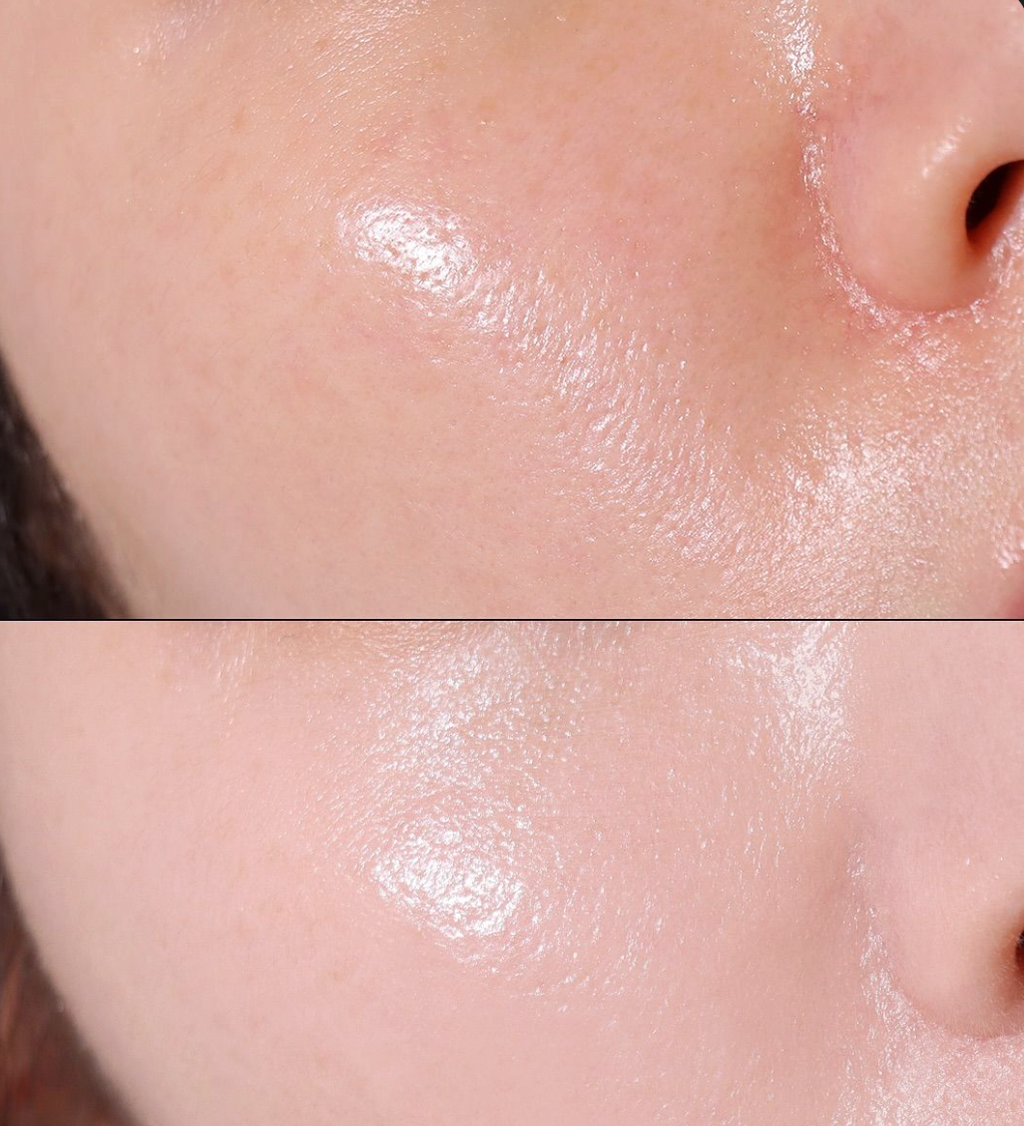
It really does control oil! After using it for just one day, the oil production significantly decreased. I'm looking forward to seeing the final results after consistent use!
From face wrinkles to lip wrinkles, this device covers it all. My anti aging and skin care routine is now powered by technology. I notice enhanced skin collagen and a reduction in fine lines in face. It’s a great pore minimizer skin care tool too.
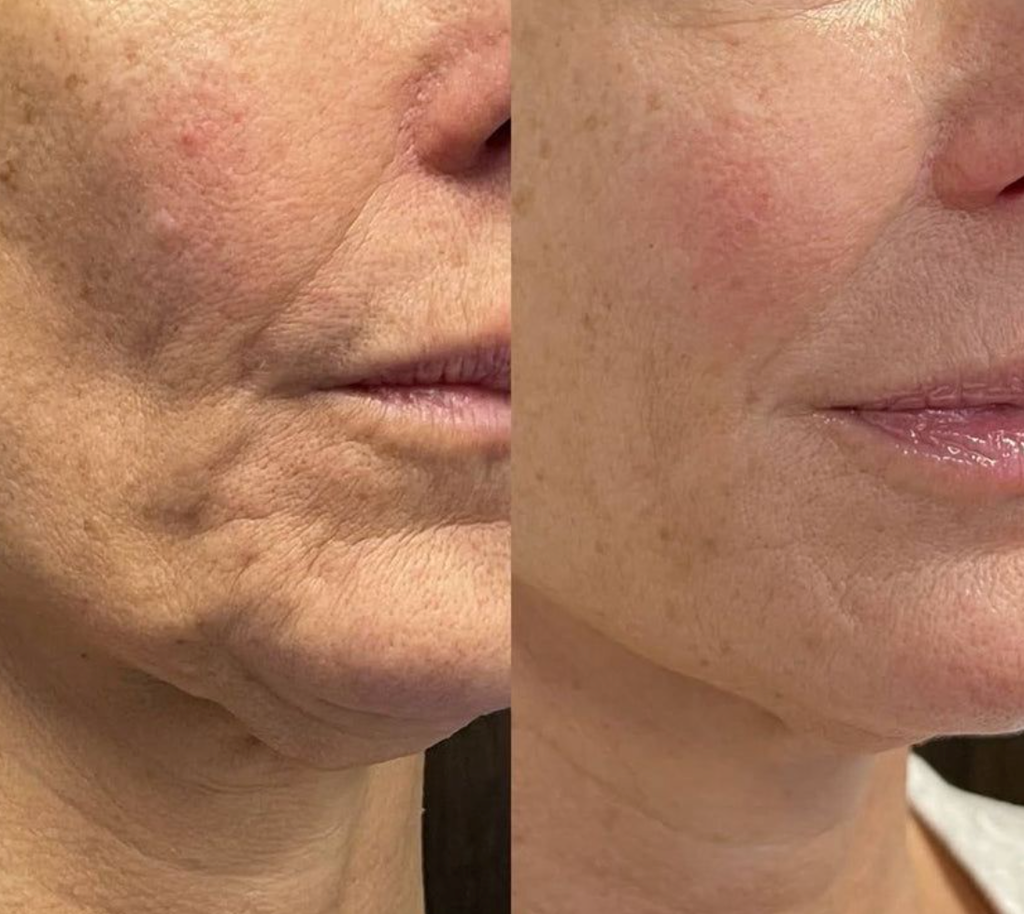
I was considering laser treatment for acne marks, but tried MimiSilk Iris first. Amazing decision! It effectively for blemish marks and pits at home.

For dedicated anti aging and skin care after 40, this device is phenomenal. It has minimized my chin wrinkles and improved uneven skin complexion. The collagen regeneration is evident-skin is firmer. It also acts as a fantastic pores minimizer. Far better than countless creams for fine lines and wrinkles.
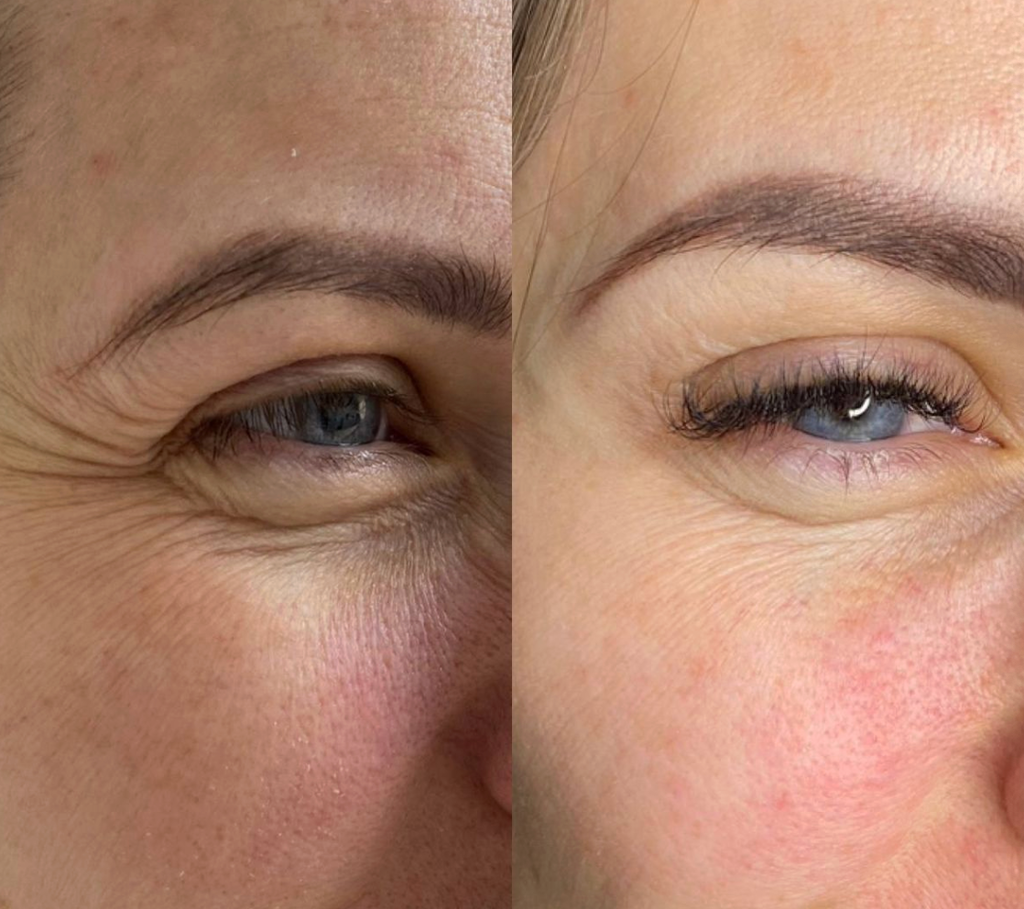
This advanced device tackles both fine lines in face and deeper skin wrinkles. I’ve seen improvement in wrinkles around mouth and forehead wrinkles. It’s like having a laser treatment for open pores at home! My pores minimizer search is over. For skincare over 40, it brings a noticeable glow and smoother uneven complexion.
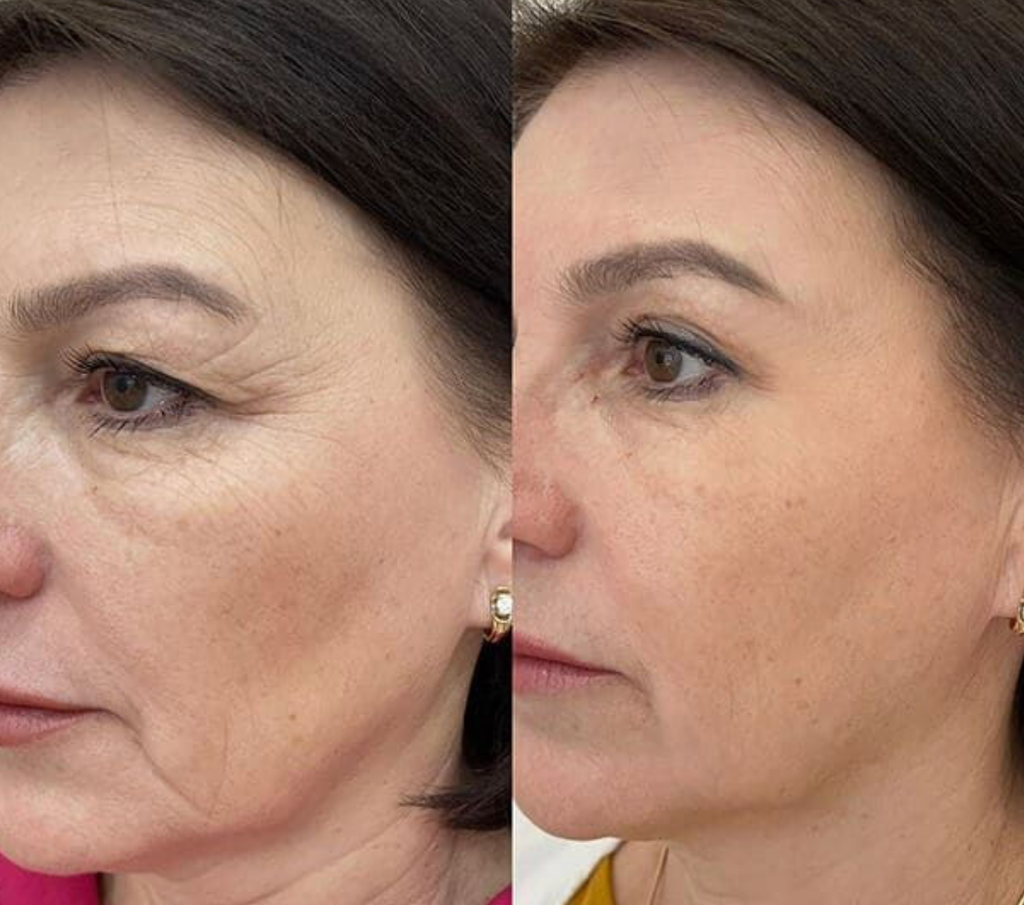
I use this for wrinkles around eyes, lip wrinkles, and as a pores minimizer. It delivers on all fronts. The anti wrinkle effects are noticeable, and collagen regeneration seems accelerated. My open pores treatment at home is now effectively managed. For treating skin wrinkles holistically, this device is incredibly efficient and user-friendly.
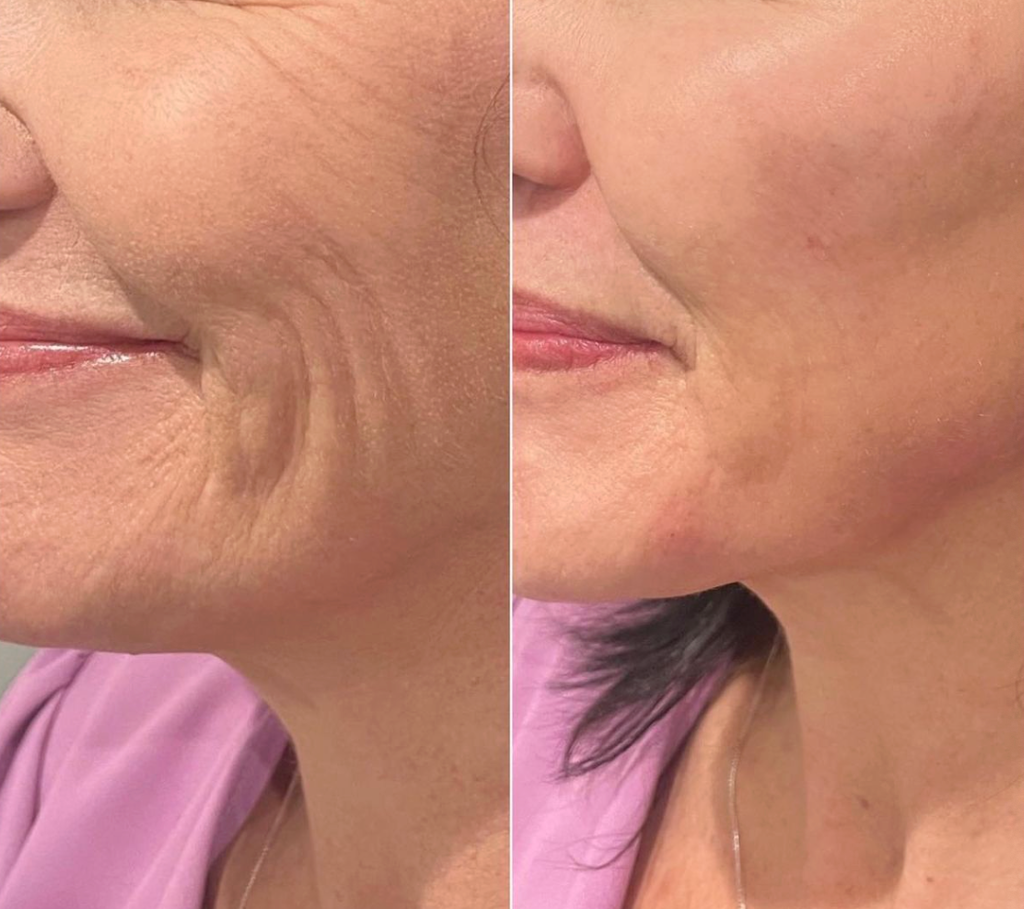
In your nightly skincare routine, add an extra 3-5 minutes to target fine lines and wrinkles, as well as deep wrinkles. This is a very worthwhile investment. I have quite noticeable forehead lines and really enjoy the process of smoothing them out every day.
The collagen regeneration is a game-changer for skincare over 40, much brighter and healthier.
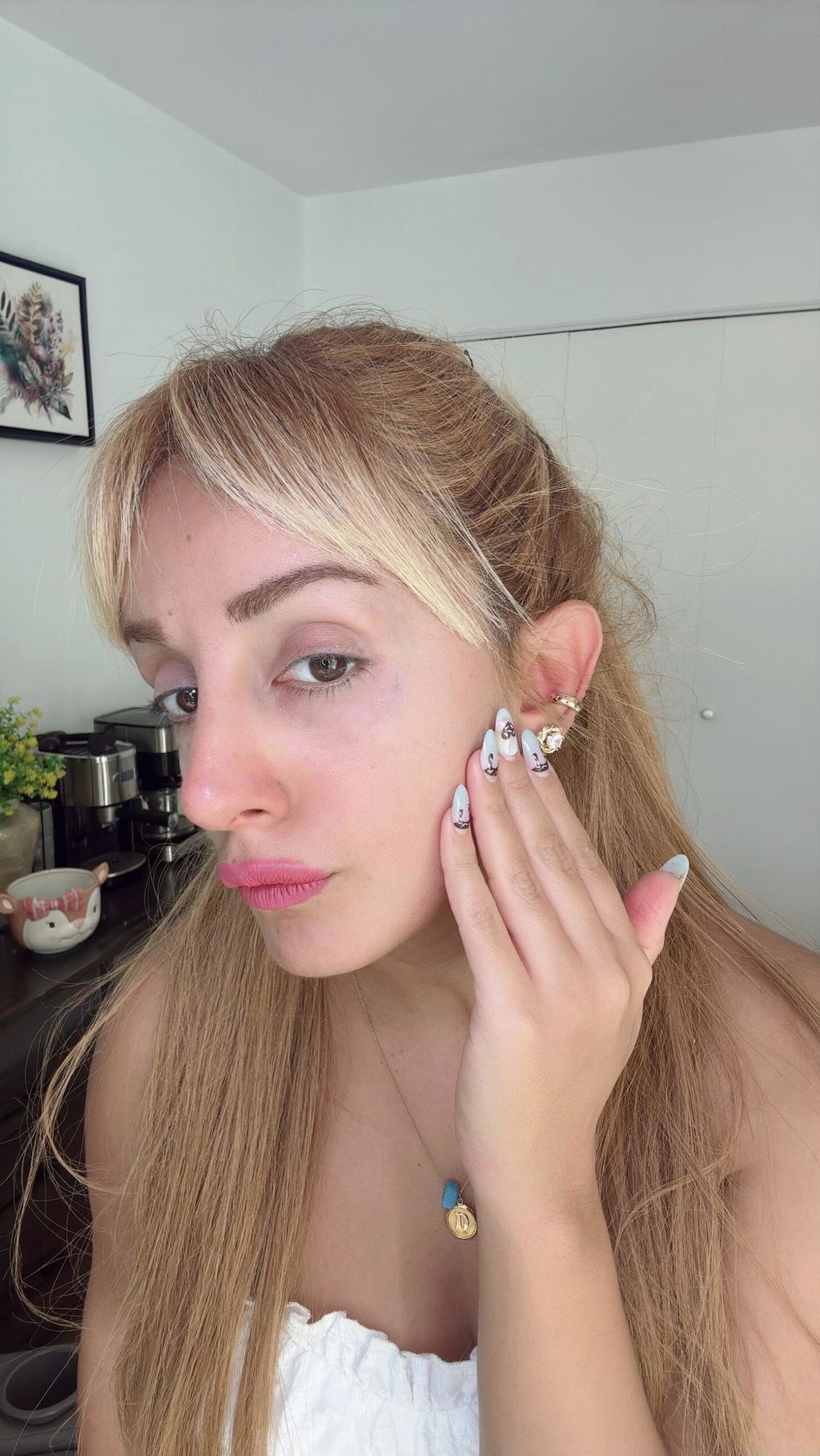
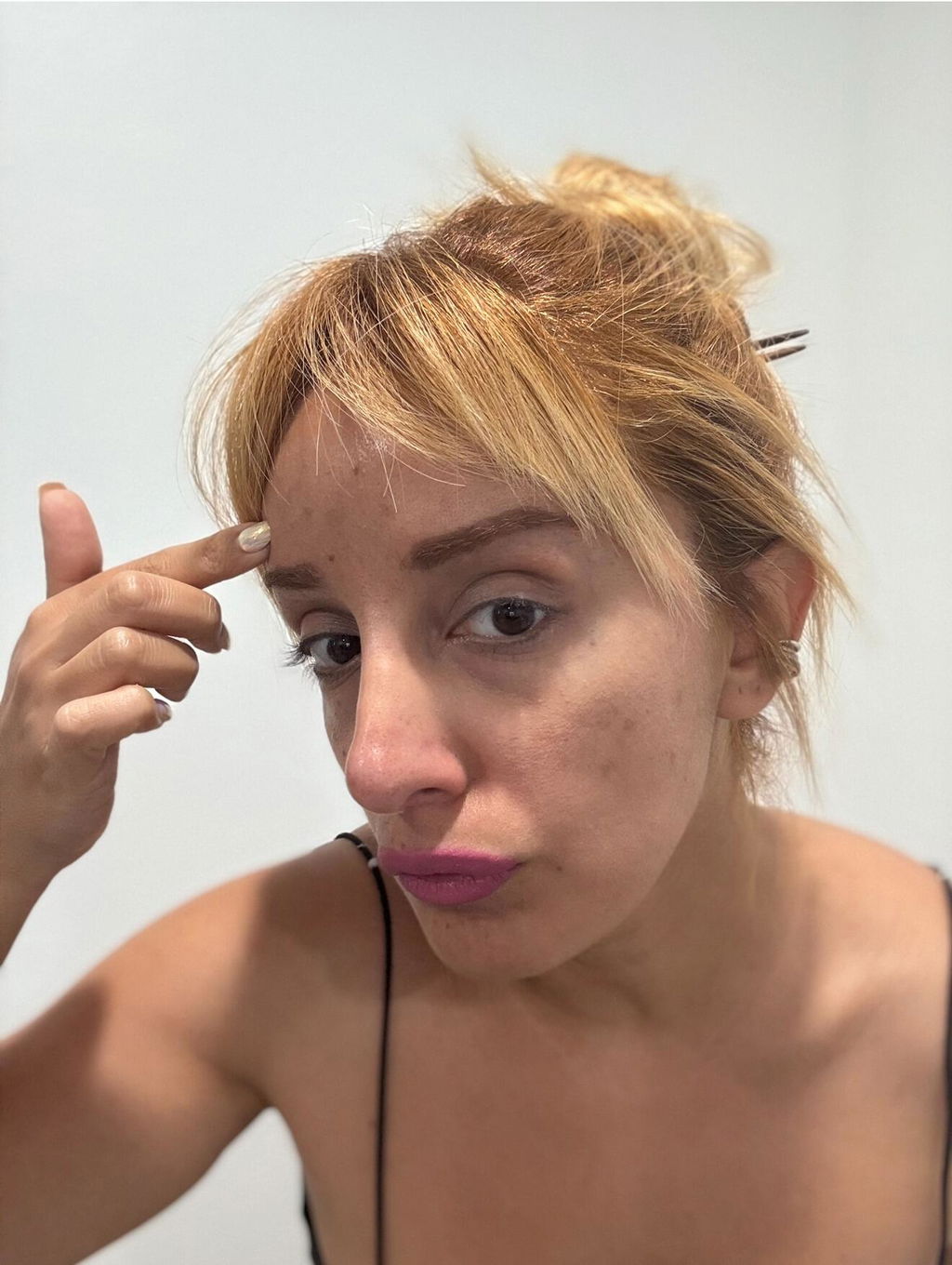
Shrinks pimple down atleast 60% after 1 use with NOVA 830nm! After 4 weeks of Iris 1450nm, full-face acne treatment and elimination of redness and acne marks on the nose.
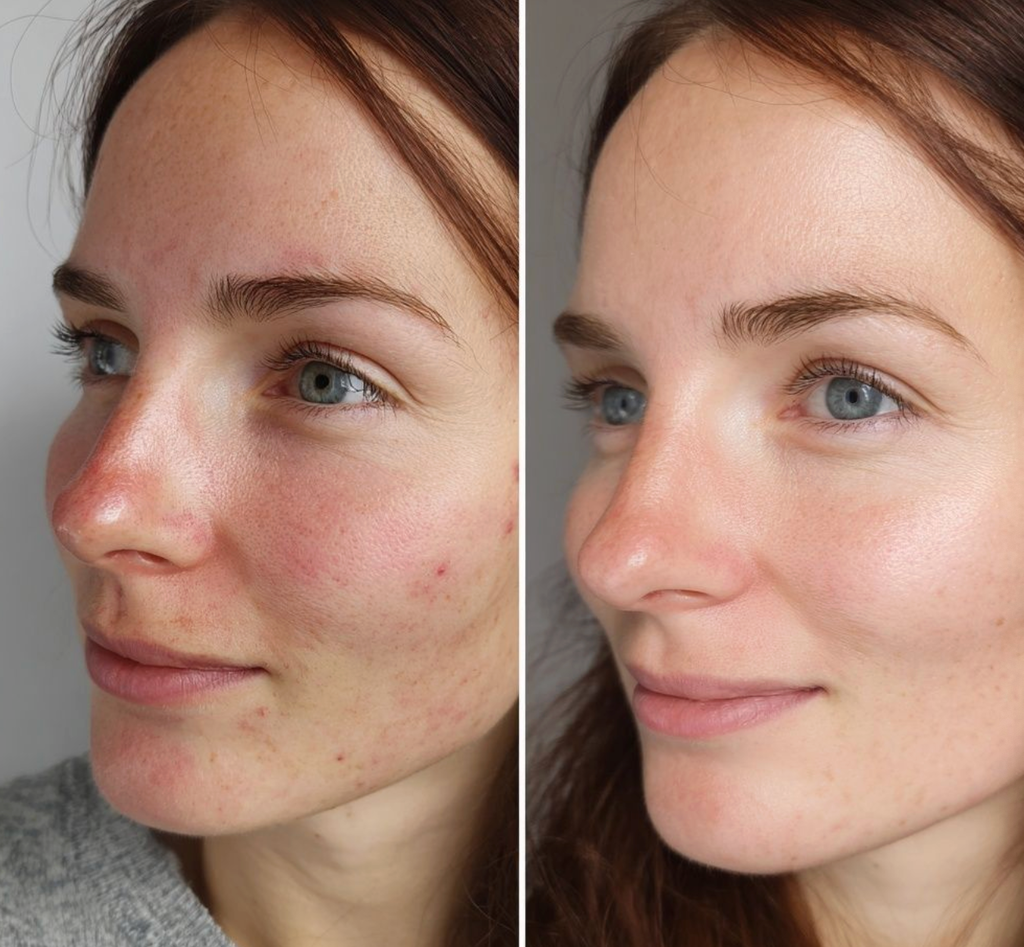
Love it 100/10🙂↔️💞
FAQ
-
How long should the treatment be performed on each area(Iris 1450nm)?

Our device divides the entire face into five smart zones. The duration for each zone varies depending on the setting.
At the same setting, the upper lip and periorbital area have the shortest treatment times, while the forehead and cheeks take longer. The total treatment time for the full face is approximately 5 to 10 minutes.
Additionally, two beeping sounds will alert you when the treatment for each zone is finished.
-
Are the Iris scanning speeds of the 1st, 2nd, and 3rd levels the same(1 cm/s)?
The higher the level, the larger the spot and the lower the density. So the higher the level, the slower the scanning speed should be. The second level should be slower than 1 cm/s, and the third level should be the slowest. Because level 3 has the highest energy and is prone to discontinuities, users should scan at a speed of less than 1 cm/s to ensure uniform and effective coverage of the facial area.
-
Frequency of MimiSilk Iris 1450nm Use?
The core period involves 3-4 sessions per week, and the collagen activation process lasts 8 consecutive weeks. This helps to invigorate the skin, activate the repair mechanism, and is the crucial stage for achieving significant results.
Entering the 4-week rest period, the use will be suspended for 4 weeks. The achievements of the core period will be consolidated to allow the skin sufficient time to recover, adjust, and avoid excessive use.
Then repeat the "8+4" cycle continuously to ensure that the skin remains in good condition for a long time.
Tips: If during the "8+4" cycle, there is an interruption of 2 weeks or more, it is recommended to restart the 8+4 cycle to ensure the regeneration effect of collagen.
-
Can Mimisilk be used on hands and neck?
Iris 1450nm is tailored for facial skincare but can also be applied to the neck, chest, and hands. It is FDA-cleared for treating wrinkles around the eyes and has been shown to be safe on all skin areas, excluding the thyroid region, regardless of skin type or tone. Many users have noted visible wrinkle reduction on the face, neck, chest, and hands. For these areas, we suggest using the FOREHEAD mode.
-
Can I use contact gel with the Iris 1450nm device?
The home-use laser device does not require gel, as it might interfere with light output and does not help reduce pain (if there is any). Other beauty devices, such as those using radiofrequency and microcurrent, use gel to conduct electricity.
For most people, the treatment process is nearly painless. For first-time users, we recommend starting with level 1 and progressing to higher levels if tolerated. Compared to the large-spot laser, our fractional laser produces a stronger stinging sensation, especially at levels 2 or 3 for the first time. This also indicates that the device is functioning properly.
-
Does Iris 1450nm hurt? What suggestions do you have for first-time users and those with sensitive skin? Are there any side effects?
For most individuals, the treatment process is a little painful the first time. For first-time users, we recommend starting with level 1 and progressing to higher levels if tolerated(usually a month later). Compared to the large-spot laser, our fractional laser does have a stronger stinging sensation, especially when using levels 2 or 3 for the first time. This also indicates that the device is working correctly.
For sensitive skin, we suggest reducing usage frequency to build skin tolerance, such as 1-2 times per week. Here are 4 tips that might help:
- Apply ice to the skin before treatment to help it adapt more quickly.
- Taking a deep breath before use is also helpful, as many customers have mentioned.
- Start with a moisturizing compress using a gentle skincare product or mask containing ceramides or PDRN. Be sure to moisturize and hydrate your skin before and after use, but keep your face dry while using the device.
- In addition to applying sunscreen(SPF 30+ PA++++), you can choose to wear sunglasses, sun-protective clothing, and a hat to ensure adequate fabric-based sun protection and prevent UV damage to your skin.
Tips: If you are considering a home-use device for the first time and have never undergone any skincare treatments in a clinic, or if you have acne rosacea, we generally do not recommend choosing the fractional laser technology (MimiSilk Iris) as your first home-use product. Because the treatment will definitely cause some level of discomfort, and it is also normal to experience slight redness afterward. For most users, however, any discomfort typically fades within 15–20 minutes after applying a facial mask, with no recovery period needed.
-
I have melasma. Can I use Iris?
First, determine whether your melasma is currently stable. For example, has your existing melasma recently darkened or worsened after sun exposure? If not, you can try Level 1 on a small area of skin without melasma and monitor your skin's response before continuing. If you are not sure, please consult a dermatologist.
The main benefits of the Iris 1450nm device include reducing fine lines and wrinkles through collagen regeneration, eliminating acne scars, minimizing pores, brightening and evening out skin tone. It is not mainly intended for treating pigmentation problems, especially melasma. However, it can help achieve a brighter complexion by stimulating collagen production and improving the appearance of sunspots, freckles, and epidermal melasma.
-
What are the differences between Iris 1450nm and Vera RF devices? How should we choose?
Both Vera radiofrequency (RF) and Iris laser can promote collagen regeneration, but their mechanisms of action differ.
- Iris laser uses selective photothermolysis, making it more suitable for localized issues such as brightening skin tone, reducing pores, acne scars, pigmentation, and fine lines. Vera RF, on the other hand, heats the dermis evenly and volumetrically, making it more suitable for skin tightening and overall facial contour lifting. Compared with laser-based precise repair, RF is better suited for large-area collagen activation and firming/lifting.
- If you only have skin laxity, Vera is the best choice. If you have other anti-aging needs, Iris is a more cost-effective, multi-functional home device. Of course, if you want to address skin laxity, pores, acne scars, and pigmentation simultaneously, having both devices is a good option. You simply need to use them every two days.
-
Can the MimiSilk Iris 1450nm be used concurrently with cosmetic treatments, such as LED/RLT, RF, microcurrent, EMS, or injections? Any precautions?
If you plan to use the LED device, a 24-hour interval is generally recommended. However, if you intend to have the RLT [Red Light Therapy] treatment in a clinic, we suggest using it during the 4-week rest period after 8 weeks of using the Iris 1450nm to prevent a small amount of RLT waves from reaching the dermis layer and hindering collagen regeneration.
The RF device and the Iris 1450nm device should be operated at least 48 hours apart.
After microcurrent or EMS treatment, wait at least 12 hours before using the MimiSilk Iris, unless there is no visible redness or discomfort.
After a Pico Laser treatment, wait 30 days before using the MimiSilk Iris.
It's best to wait 3 to 4 months after your last hyaluronic acid or other injectable treatments, such as Botox or fillers, before starting MimiSilk Iris. This helps ensure your skin's optimal response and safety.
-
Can I travel with the MimiSilk Iris 1450nm Device? How do I determine the usage frequency if I interrupt use during the travel period?
Yes, it's a portable, wireless device that travels well. It is small enough to fit in a carry-on bag, does not need to be plugged in to use, and has a built-in rechargeable lithium-ion battery. If possible, we recommend packing the device in its original packaging to avoid damage.
- If you interrupt treatment for more than 2 weeks during the initial eight-week course, we recommend restarting the 8+4 cycle. If the interruption is less than 2 weeks, you can resume treatment directly.
- During the four-week rest period, you may extend the break to up to 45 days if your schedule does not allow you to begin the next cycle right away.
Furthermore, don't forget to apply sunscreen after use.
-
Do you ship to my country? Do I need to pay customs duties?
We currently ship to the United States, Canada, Australia, all European countries, and selected Asian countries, including Saudi Arabia, the United Arab Emirates, Israel, Singapore, Malaysia, Thailand, the Philippines, Indonesia, Hong Kong SAR, Taiwan, and Macao. We offer prepaid duties for all shipments.
-
How it compares with a professional factional laser treatment vs. an at home fractional laser treatment(Iris 1450nm)?
The highest-level Iris 1450nm laser has a single-beam energy of 12mJ, approximately one-quarter of the energy commonly used in clinical practice, resulting in less pain but requiring a longer treatment time. Therefore, strictly adhering to the "8+4" cycle specified in the operating manual is crucial.
-
How to clean and store the Iris 1450nm device?
Cleaning: After each use, clean the emitting window using the included cloth with clean water or an alcohol solution containing no more than 75% alcohol.
Charging and Storage: Charge the device as needed. After using and cleaning, store the device in a cool, dry place out of reach of children.

Iris 1450nm vs RF Devices
-
Can I use Iris 1450nm with my RF device?
The RF device and the Iris 1450nm device should be operated at least 48 hours apart.
-
How to Use MimiSilk Iris and Vera Together?
Allow a 48-hour interval between using the Vera, the Iris, and other home-use laser/RF devices. There are two ways to use two devices together:
For full-face treatment: Space the use of the Iris and Vera 48 hours apart, resulting in a combined total of three to four sessions per week for the two devices. There is no need to worry about the frequency being too low, as the thermal effect on your skin remains balanced.
For partial-face treatment: For example, use the Iris on the upper half of the face and the Vera on the lower half. You can follow the specific usage schedules for each device: use the Iris 3–4 times a week (following the 8+4 cycle), and use the Vera on Level 1 daily for the first month.
-
How would NAFL technology be different than fractional RF?
NAFL is like a team of skilled archers (laser beams) firing arrows that create precise, deep pins of injury in a fortress wall (your dermis). The wall then repairs itself stronger at each arrow point.
Fracture RF is like a team of sappers with heated spears (microneedles). They physically penetrate deep into the wall's foundation, deliver heat, and as they pull out, they create small cracks. This damages both the wall's surface and its underlying structure, prompting a more extensive rebuild at the foundation level, which can also affect the ground (fat layer) beneath it.
In essence: Choose NAFL for excellent texture and tone improvement with no downtime. Choose Fracture RF when your main goals are tightening, lifting, and contouring, especially if you want to address excess fat.
-
What are the differences between the microneedling radiofrequency device and the Iris 1450nm laser device, and which one is better for the jawline problem?
Radiofrequency (RF) technology falls into two categories: microneedling and fractional. Microneedling is invasive, whereas fractional is non-invasive, and both are available in professional and home-use versions.
Professional-grade microneedling and fractional RF energy can penetrate into the subcutaneous tissue, thereby lifting the SMAS layer and effectively reducing significant jawline laxity. This approach is more suitable for individuals over 50 with noticeable facial sagging. Microneedling RF further enhances transdermal absorption through an invasive process.
However, home-use microneedling RF, due to energy restrictions, cannot reach the subcutaneous SMAS layer. While it offers immediate visible effects on the jawline, its long-term benefits are similar to fractional laser treatments: stimulating collagen regeneration to tighten and lift the skin. Additionally, home-use microneedling RF requires a higher level of user skill compared to home-use non-ablative fractional laser devices. Thorough disinfection of the environment and face is essential before using microneedling RF.
Brand Comparison
-
Iris 1450nm vs NIRA Laser
Both of us are FDA-cleared 1450nm non-ablative lasers. Iris 1450nm is a fractional laser, while our micro-beam has a diameter of just 100 micrometers (φ = 100 μm × 30 μm). NIRA 1450nm is a non-fractional laser with large-spot technology (φ = 2 mm).
MimiSilk Iris 1450nm delivers more energy and higher efficiency, resulting in faster collagen regeneration (our maximum energy is 2.11 J/cm² compared to Nira Pro's 2.05 J/cm²).
Our device stimulates natural collagen production for a more youthful look in 60 days (8 weeks), whereas Nira previously claimed it would take 90 days. -
1450nm vs 1064nm Laser(dermrays revive)
The 1450nm wavelength is ideal for stimulating collagen regeneration. It mainly targets water as its primary chromophore, penetrating the upper and middle layers of the dermis. It shows the highest sensitivity to both type I and type III collagen, thereby enhancing collagen production more effectively. This wavelength not only reduces fine lines and wrinkles but also helps diminish pigmentation and depressions, tighten pores, and improve skin tone.
On the other hand, the 1064nm wavelength mainly targets melanin, reaching the lower and middle dermis layers. Only a small amount of its energy is used for collagen regeneration. The 1064nm laser is more effective at reducing melanin levels. Therefore, the 1450nm wavelength is more effective than the 1064nm in reducing wrinkles, controlling sebaceous activity, minimizing pore size, and decreasing acne scars.
-
Iris 1450nm vs LYMA Laser
The Iris 1450nm is an FDA and CE-approved fractional laser device. LYMA, on the other hand, combines LED (620nm) and LLLT laser (808nm) technologies, both of which are FDA-approved.
The main difference between these two laser technologies is that the Iris 1450nm fractional laser promotes collagen production and regeneration through micro-injuries, while the LLLT laser enhances existing collagen through phototherapy and also stimulates some collagen regeneration, but not to the same extent as the Iris 1450nm (a non-ablative fractional laser).
Furthermore, the LLLT laser primarily increases type I collagen, which is responsible for maintaining skin firmness and smoothness, with only a small increase in type III collagen.
-
Is the non-ablative fractional laser an old technology(like Tria)? What's the different between Iris 1450nm laser with LYMA and ZIIP device?
Non-ablative fractional lasers (such as 1450nm/1440nm) remain the gold standard for anti-aging and are not outdated. They are well-validated and widely popular worldwide. Most home-use phototherapy devices, including fractional lasers, can prevent sun sensitivity when used correctly with SPF 30+ sun protection, as noted in manuals and on websites. These lasers may cause slight discomfort due to their technical design. Our goal has always been to improve the customer experience.
Non-ablative fractional lasers are especially suitable for users over 40 with specific anti-aging concerns. Core Benefits: Addresses oiliness, pores, mild scars, and wrinkles. Perception & Results: You might feel a slight tingling, but collagen regeneration and improvements in skin texture are significant and long-lasting, making this ideal for deep anti-aging.
Devices like Lyma and ZIIP work by boosting cell metabolism through stimulating ATP production, primarily improving temporary fine lines associated with early aging. They are gentle and suitable for daily use.
-
Iris 1450nm vs TRIA Laser
Both of us use FDA-cleared fractional lasers, but the Tria's high output power causes discomfort and a longer recovery period, with redness, peeling, and mild side effects. Our light spot is smaller (φ = 100 μm × 30 μm) and penetrates deeper, leading to better anti-aging results.
Additionally, it needs to be used continuously for 12 weeks before taking a 4-week break. Our 8+4 cycle is more user-friendly.
Spots and Pigmentation
-
How does the device brighten skin tone? Does it reduce sun pigmentation?
The main benefit of Iris 1450nm is its ability to help reduce fine lines and wrinkles by encouraging collagen growth, as well as to diminish acne scars, tighten pores, brighten skin tone, and even out skin color. While it isn't specifically meant to treat pigmentation issues like sunspots and freckles, it can still contribute to a brighter look by stimulating collagen, which might improve the appearance of pigmentation spots.
-
I’m looking for a device to lighten sunspots, freckles and SK(Seborrheic Keratosis)
The main efficacy of Iris 1450nm is to reduce fine lines and wrinkles through collagen regeneration, eliminate acne marks, shrink pores, brighten the skin tone, and regulate uneven skin color. The main benefit is not for treating pigmentation problems such as sunspots and freckles. However, it can achieve a brighter complexion by stimulating collagen production, thereby improving the appearance of pigmentation issues such as sunspots and freckles.
However, it is not the optimal wavelength range for removing pigment deposits.For pots on the epidermis layer, it is recommended to receive pigment treatment at a clinic using 755nm, 1064nm or 1927nm.
-
Can I use the Iris device with melasma?
First, you need to determine if the melasma is in a stable phase. For example, has the existing melasma worsened after sun exposure? If not, you can try the first setting on an area without melasma and observe the results.
The primary benefit of Iris 1450nm is to reduce fine lines and wrinkles through collagen regeneration, eliminate acne marks, shrink pores, brighten the skin tone, and even out skin color. It is not mainly intended for treating pigmentation problems, especially melasma. However, it can help achieve a brighter complexion by stimulating collagen production and improving the appearance of sunspots, freckles, and epidermal melasma.
-
Does the Iris 1450nm laser avoid creating dark spots on Asian skin?
Iris 1450nm is safe for all skin tones; it's FDA-cleared, and the highest-grade single-laser beam delivers 12 mJ, approximately 1/4 the energy of in-hospital equipment, so it won't darken any skin (including Asian skin). Typically, we recommend using it in the evening and applying a moisturizing mask. When heading out the next day, make sure to apply sunscreen.
Acne Marks
-
Does Iris 1450nm helps poc marks or post-acne marks?
Iris 1450nm can remove acne marks and scars(depth ≤200μm). The effect of "deep acne scars" will weaken, and the usage period needs to be extended. The specific duration depends on the type of acne scar:
- Effective type: such as "boxcar" and "rolling" acne scars (depth less than 200 micrometers), a slight filling effect can be seen 8 weeks later, and the effect will be more obvious 12 to 16 weeks later.
- Limited effect type: such as "icepick" acne scars (depth greater than 300 micrometers, narrow opening, deep bottom), since the laser only acts on the superficial layer of the dermis (300 to 600 micrometers), it cannot reach the bottom of the acne scar, 8 weeks may only improve the roughness at the tip of the scar, and it needs to be extended to 24 weeks (6 months), and combined with level 3 settings (requiring skin adaptation) to see the deepening of the scar
- Recommendation: Users with deep acne scars can combine "clinic fractional laser" (such as 1565nm non-ablative laser), and use the home equipment as "post-treatment maintenance". This not only enhances the effect but also extends the maintenance period after clinic treatment.
-
Is MimiSilk Iris 1450nm effective in deep acne scars?
The effect of "deep acne scars" will weaken, and the usage period needs to be extended. The specific duration depends on the type of acne scar:
Effective type: such as "boxcar" and "rolling" acne scars (depth less than 200 micrometers), a slight filling effect can be seen 8 weeks later, and the effect will be more obvious 12 to 16 weeks later.
Limited effect type: such as "icepick" acne scars (depth greater than 300 micrometers, narrow opening, deep bottom), since the laser only acts on the superficial layer of the dermis (300 to 600 micrometers), it cannot reach the bottom of the acne scar, 8 weeks may only improve the roughness at the tip of the scar, and it needs to be extended to 24 weeks (6 months), and combined with level 3 settings (requiring skin adaptation) to see the deepening of the scar;
Recommendation: Users with deep acne scars can combine an "in-office segmented laser" (such as a 1565nm non-ablative laser) with home equipment for "post-treatment maintenance". This not only enhances the effect but also extends the maintenance period after in-office treatment.
- Wenn du dich für eine Auswahl entscheidest, wird die Seite komplett aktualisiert.
- Wird in einem neuen Fenster geöffnet.